Why I Wrote This Book
This isn’t a book about fixing yourself. It’s a book about listening to yourself.
For a long time, I didn’t think I would write this book. At the beginning it wasn’t even a thought that I would have something to write, something to share.
Not because the story wasn’t there.
But because I wasn’t sure what the story actually was. Survival? Recovery? Motherhood? Loss? Identity? All of it felt true, but none of it felt complete on its own.
This book didn’t begin as a goal. It began as fragments.
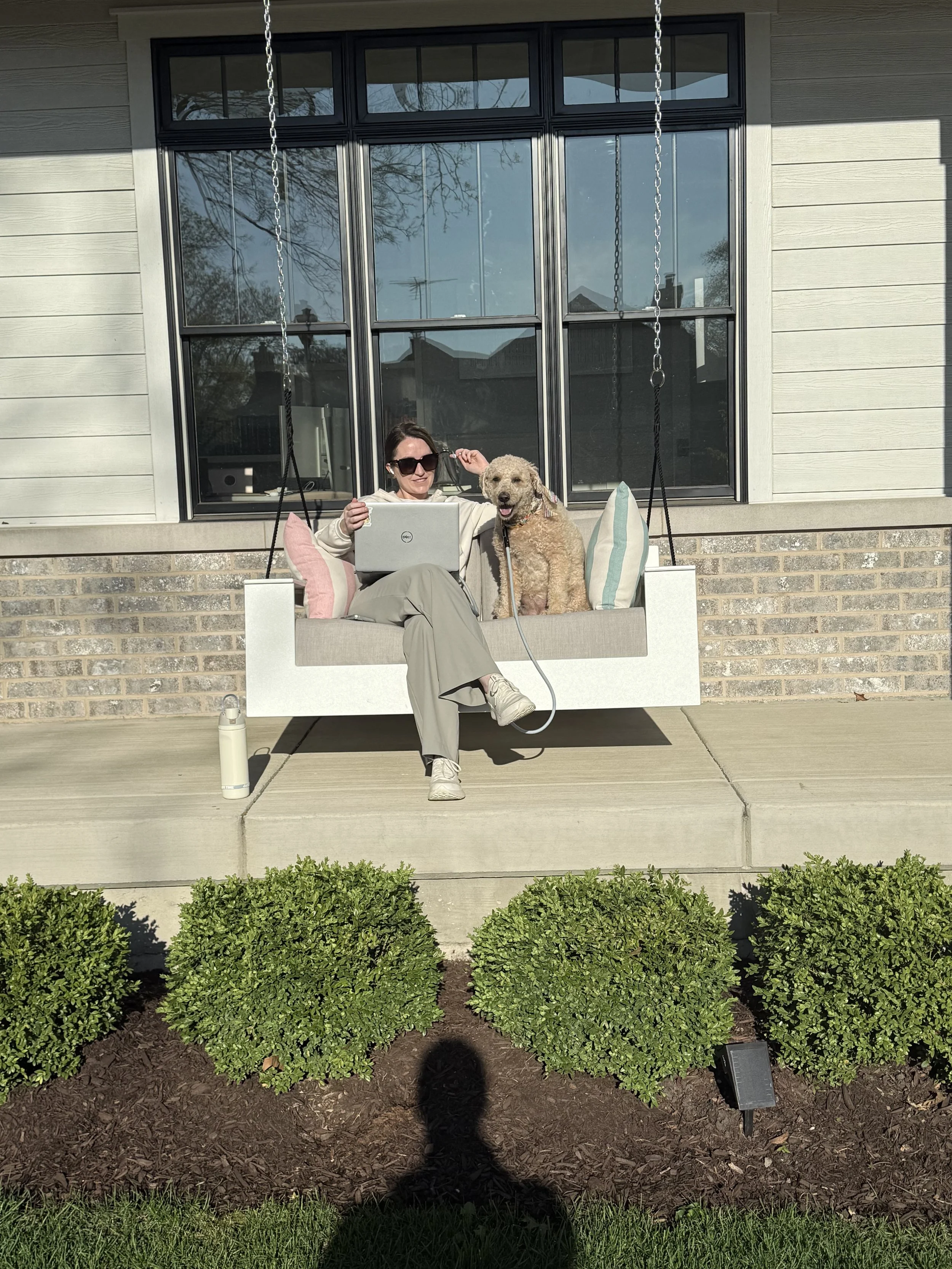
Hospital memories that surfaced out of nowhere. Random notes, random thoughts, typed into my phone at 2 a.m. The never ending list of questions I told myself if I researched enough I would find the answers I so desperately wanted. Pieces of each medical event that slowly wove together.
As my body failed me again and again over a five year time span, I didn’t know where to turn, how to make any sense of what was happening to me. On paper, these are “medical events.” In real life, they reshaped how I trust my body, how I make decisions, how I measure time, how I show up in relationships, and how I understand myself.
What I didn’t expect was how isolating that kind of survival can be.
People are wonderful at rallying around the crisis. They are less comfortable with the long middle. The years where you look fine, function well, and still carry fear, grief, and unanswered questions that don’t have neat endings. I learned quickly how to reassure others, how to minimize, how to say “I’m fine” in a way that would shut the conversation down.
This book is what happened when I stopped doing that.
I wrote it because I want to tell the truth about what it’s like to come back to a life that looks normal from the outside but feels permanently altered on the inside. About how survival doesn’t always feel like you won. About how motherhood can coexist with rage, gratitude, grief, and awe. About how women’s pain — especially medical pain — is often dismissed, rushed, or reframed until we stop trusting our own instincts.
I wrote it because I wish I had read something like this earlier.
Not a memoir that ties everything up with a bow. Not a lesson-driven recovery story. But an honest account of what it’s like to live in a body that has betrayed you, to rebuild confidence slowly and imperfectly, and to realize that “being okay” can mean something very different than it used to, can mean something different every day.
Most of all, I wrote this book because silence has weight.
When we don’t talk about these experiences, we internalize them. We assume our fear is excessive, our anger inappropriate, our exhaustion a personal failure. I want this book to be a place where readers feel less alone in the messiest, isolated parts of survival.
This isn’t a book about fixing yourself.
It’s a book about listening to yourself.
About what happens after the emergency is over.
About the long work of coming back; to your body, your voice, and your life.
I think I’m finally ready to talk.
And this book is how.
