Survival
Survival isn’t returning to who you were — it’s becoming someone new
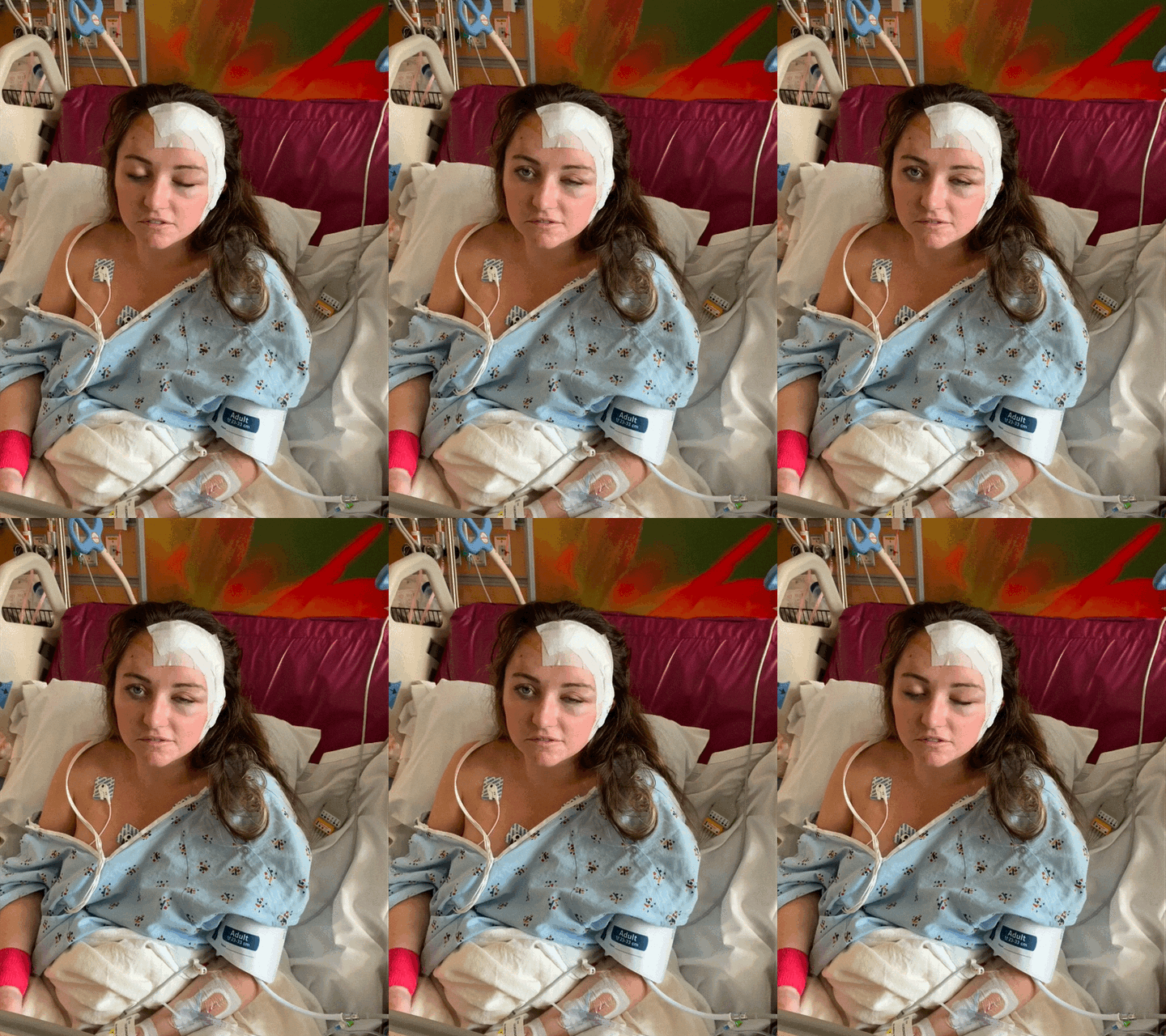
Wednesday, May 29, 2019: I was twenty-seven years old when my life was suddenly split in two; life before the ruptured brain aneurysm and life after. At the time of the rupture I was unaware that this was happening. A quiet moment I didn’t have words for. A period of my life I struggle to remember clearly. A rupture inside my own head so silent that I didn’t understand I was crossing a line I could never uncross.
My memories from this time, this time in the Neuro ICU ward, are fuzzy. I felt like an outside observer, like I am grasping at bits and pieces of what happened and hoping I can stitch the memories together into something accurate. The flashes of memories I do have are filled with worried glances from my loved ones, being surrounded by beeping machines, the constant string of questions I couldn’t articulate the correct answers for.
When I was eventually discharged from the hospital–after an eight hour brain surgery and three weeks of monitored recovery–everyone around me seemed relieved. Worried, still cautious, but relieved. I heard I was one of the lucky ones. The majority of people that suffer a ruptured brain aneurysm either pass away before they even make it to the hospital or they leave the hospital with some form of permanent neurological defect. I heard I was stable. I heard I was okay, I would be okay.
I heard “you survived.”
But, no one tells you what survival actually looks like. No one tells you that being medically “okay” is not the same as feeling okay.
I have since learned that survival is not a single moment. It is not being discharged from the hospital. It is not finishing up your round of prescribed medication. It is not the return to work. It is not when the worried glances slowly fade.
Survival will differ person to person, situation to situation. Survival is the long, confusing, stretch of time when one begins to learn who they are now. Survival is the long stretch of time when one begins to be comfortable, and even proud, of who they are now.
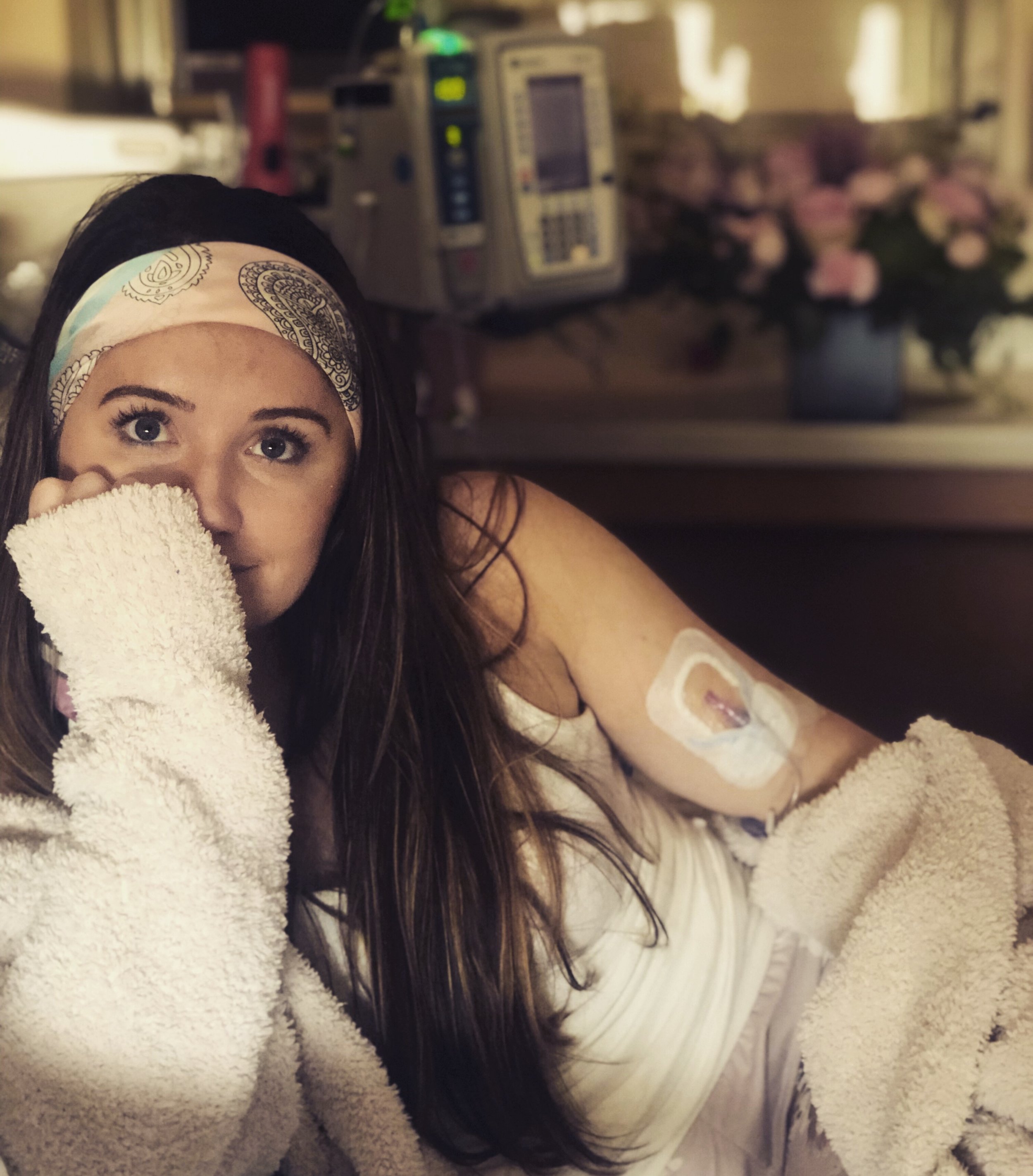
This took me a long time to learn. After I was discharged from the hospital, when everyone had told me I had survived, I felt more confused and lost than ever before. I felt like I had been stripped down to my core and left to put the pieces back together. It took me a long time to learn that the pieces would not fit the same way that they once did.
I struggled through that period when everyone was so relieved that I had “survived”. My memories didn’t line up. The timelines in my head felt scrambled. My body felt different. My emotions felt foreign. I kept waiting to feel like I had survived, to feel like myself again. But every day I woke up as someone I didn’t fully recognize. Every day I woke up with a constant string of questions playing in my head:
What happened in those three weeks in the hospital?
Will I ever wake up without a headache?
When will my words ever come easy again?
Yet everyone seemed to expect me to be me, in their eyes I had survived.
Everyone else seemed so thankful. And don’t get me wrong—I was happy I had made it, I was happy to be back home. But this was mixed with confusion. “Survival” is complicated when you’re moving through the aftermath. When people look at you with relief while you’re quietly wondering if you’ll ever trust your mind again. When they say “you look great” and you’re thinking “I don’t even know who I am right now.” When the world celebrates your survival, but you’re grieving the person you were before.
What no one prepares you for is the grief that comes with surviving. The grief of losing the version of yourself that existed up until the exact second your life divided. The grief of realizing you may never truly go back.
No one tells you how hard that is, how lonely that can feel.
Over time, I learned that survival has almost nothing to do with the emergency and almost everything to do with the aftermath. The slow mornings where every sound feels sharp. The anxiety that sits just under your skin, scared that history might repeat itself. The nights where you lie awake because your body remembers something your mind can’t fully articulate. The moments you try to be “normal” while your brain whispers that nothing is normal anymore.
Survival is not a return. It’s a rebuilding.
It’s learning how to trust your body again when it has betrayed you once. It’s giving yourself space and time to learn your body again. It’s creating stability inside uncertainty. It’s giving yourself permission to change—because change is inevitable after something like this.
And maybe that is the hardest part to admit: survival reshapes you into someone new. I didn’t go back to the person I was before the rupture. I became someone who carries the awareness of fragility every day. Someone who feels things more deeply. Someone who notices the world differently. Someone who knows what it’s like to lose—and what it takes to find.
Survival didn’t give me my old life back. It gave me a new one I had to learn to live.
And I’m still learning.
If the doctors gave me anything that day in the hospital, it was a pulse and a second chance. I know how lucky I was to have those doctors and their swift, precise action that gave me that second chance.
But the real survival?
That’s been every day since. Every moment I choose to show up. Every moment I build a life out of the pieces that were left. Every moment I keep going, even when “okay” looks different than it used to.
The moment that split my life in two didn’t define me.
What I’ve done in the aftermath did.
And that, to me, is what survival really means.